BLOGPOST2 MODULE 1 - LECTURE
BLOGGING
Instruction: Based on your understanding, kindly explain the following:
A. FUNCTIONS OF DBMS
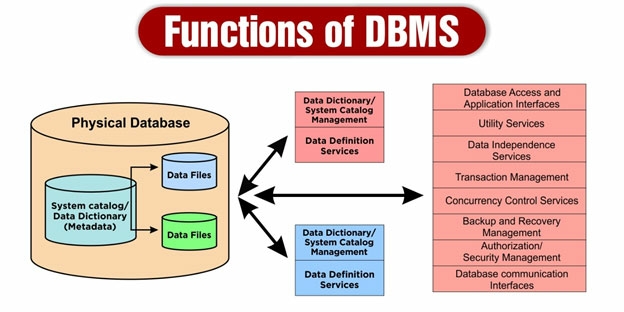
- There are many functions of DBMS. Data storage management, Creating a database for complex data and managing the data are two of DBMS's most crucial jobs. By giving the intricate data sets a structure, it relieves the user and makes it much easier for them to access and work with the data, Security Management, Database systems provide a high level of security measures using various security algorithms to keep the data safe and ensure the data privacy, Backup and Recovery Management, the database system provides the features for backup and recovery management, Database Access Language and Application Programming Interface, a query language, often known as a database access language, is offered by DBMS. Non-procedural query languages are used to access databases and change data, Data Dictionary Management, It keeps both the data and the information about how those two things are related. A data dictionary therefore preserves the data structures and the connections they have to other data, freeing the programmer from having to use intricate coding to store the connection in the database. These are just a few functions of DBMS.
B. ADVANTAGES OF DBMS
- There are many advantages of DBMS, here are some of it. It significantly strengthened data exchange: The database management system (DBMS) facilitates the formation of an environment in which end users have better exposure to even more better-managed data. In DBMS, data may be exchanged across authorized database users. Each user has individual access privileges to the database. The database is readily available to the admin. He has the power to add users to the database. End users can immediately respond to changes in their environment with this kind of access. Evolved Data protection: The increased the number of people that have access to the data, the higher the likelihood of a data security compromise. Companies spend plenty of time, money and effort, and resources to make sure that their data is being used correctly in the first place. A database management system (DBMS) offers a blueprint for more reliably implementing data privacy and security standards. Only user accounts will be permitted to use login credentials to access the database.

C. DISADVANTAGES OF DBMS
- There are many disadvantages of DBMS, here are some of it. Increased Cost: High cost is one of the main disadvantages of DBMS, the cost can be of many types like hardware or software costs, data storage costs, etc. Complexity: The database management system is very complex to use and normal people cannot understand how to use its software before proper training. So, for proper design of the database and management of the database skilled engineers, developers, and database administrators are required. Database Failure: Database Failure is one of the biggest disadvantages of a database management system. it requires a lot of maintenance and constant power. Performance: The database management system works very fast when the data is less to work on, But as the data of the organization grows, the system becomes heavier and heavier and the performance of a DBMS decreases, so sometimes the file management system is preferred over the database management system. These are just few of the disadvantages of DBMS.


Comments
Post a Comment