ACTIVITY TASK MODULE 1 INFMNGT LECTURE
I. LEARNING TASKS
A. ENGAGE
Instruction: Based on your own understanding, kindly define the following terminologies:
Instruction: Based on your own understanding, kindly define the following terminologies:
A. FUNCTIONS OF DBMS
- Data Dictionary Management
- Data Storage Management
- Data Transformation and Presentation
- Security Management
- Multi user Access Control
- Backup and Recovery Management
- Data Integrity Management
- Database Access Languages and Application Programming Interfaces
- Database Communication interfaces
B. ADVANTAGES OF DBMS
- There are many advantages of DBMS. Reduced data redundancy, data integrity, data independence, data security, data consistency, easier use of data, and less storage are the advantages of DBMS.
C. DISADVANTAGES OF DBMS
- There are also many disadvantages of DBMS. Complexity, expense, vulnerability, size, training cost, compatibility, and locking-in of technology are the disadvantages of DBMS.
B. EXPLORE & EXPLAIN
Answer the following questions:
1. What are the different components of dbms?
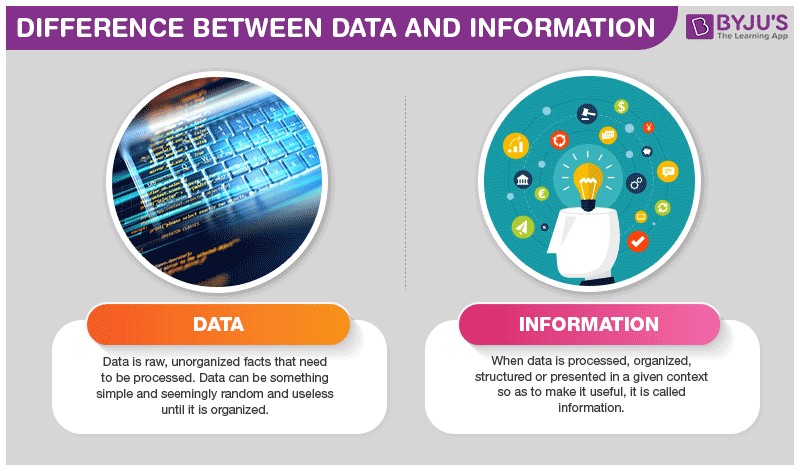
- The difference between data and information is data is the raw material that can be processed for any computing machine. It is a collection of letters, numbers, or facts. While information is the data that has been converted into more useful or intelligent form. It is a processed data that provides value.
Answer the following questions:
1. What are the different components of dbms?
- Data
- Hardware
- Software
- End User
- The difference between data and information is data is the raw material that can be processed for any computing machine. It is a collection of letters, numbers, or facts. While information is the data that has been converted into more useful or intelligent form. It is a processed data that provides value.
3. What is an overall system structure of a dbms?
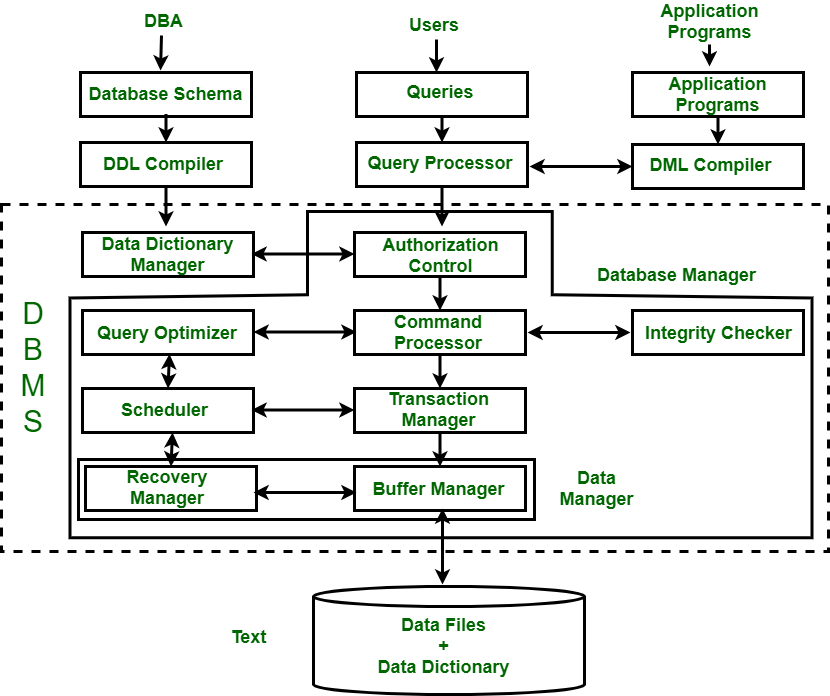
- It is a database system is composed of several specialized modules that perform a
- It is a database system is composed of several specialized modules that perform a
particular task or group of tasks. It consists of
- File Manager
- Database Manager
- Query Processor
- DML Precompiler
- DDL Compiler
4. What are the different functions of dbms?
- Data Information
- Data Manipulation
- Data Security and Integrity
- Data Recovery and Concurrency
- Data Dictionary
5. Who are the different users of dbms?
- Application Programmers
- Naive or Parametric Users
- Specialized Users
- Sophisticated Users
C. ELABORATE & EVALUATION
Answer the following questions: Identification
Database System 1. An automated system for maintaining records.
Answer the following questions: Identification
Database System 1. An automated system for maintaining records.
File Manager 2. Manages the allocation of disk storage space.
Data 3. Stored in a database is both integrated and share.
End Users 4. Refers to the people whose jobs require access to the database system for
querying, updating, and generating useful reports.
querying, updating, and generating useful reports.
Query Processor 5. Translate statements in query language.


Comments
Post a Comment